
 Italiano
 Français


Your Cart
There are no more items in your cart

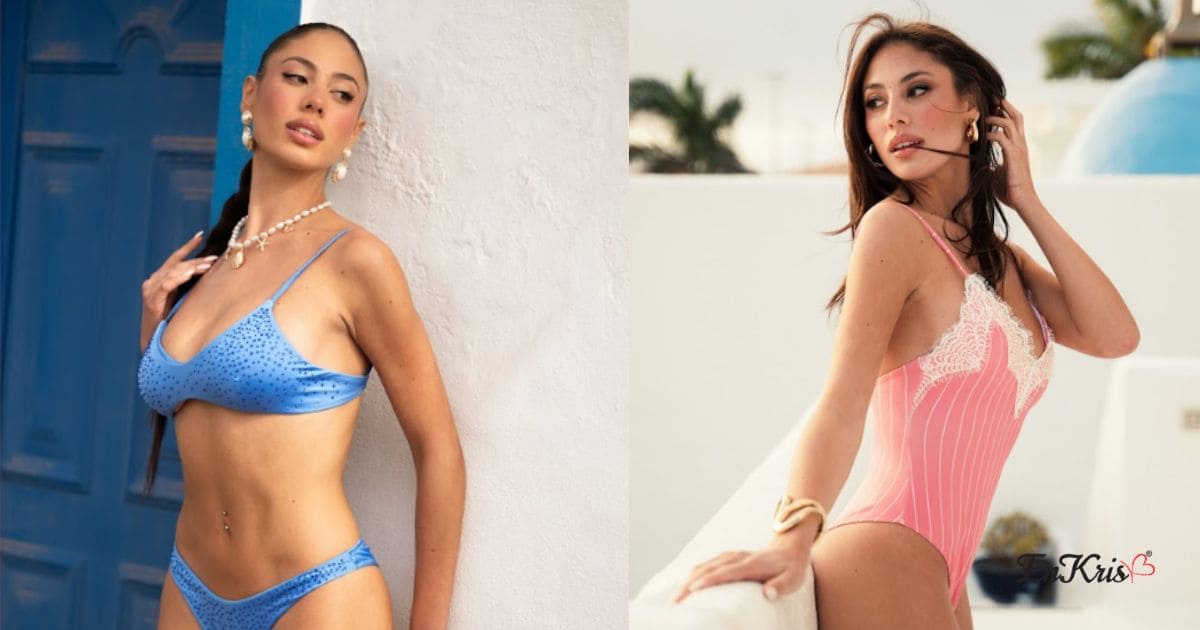
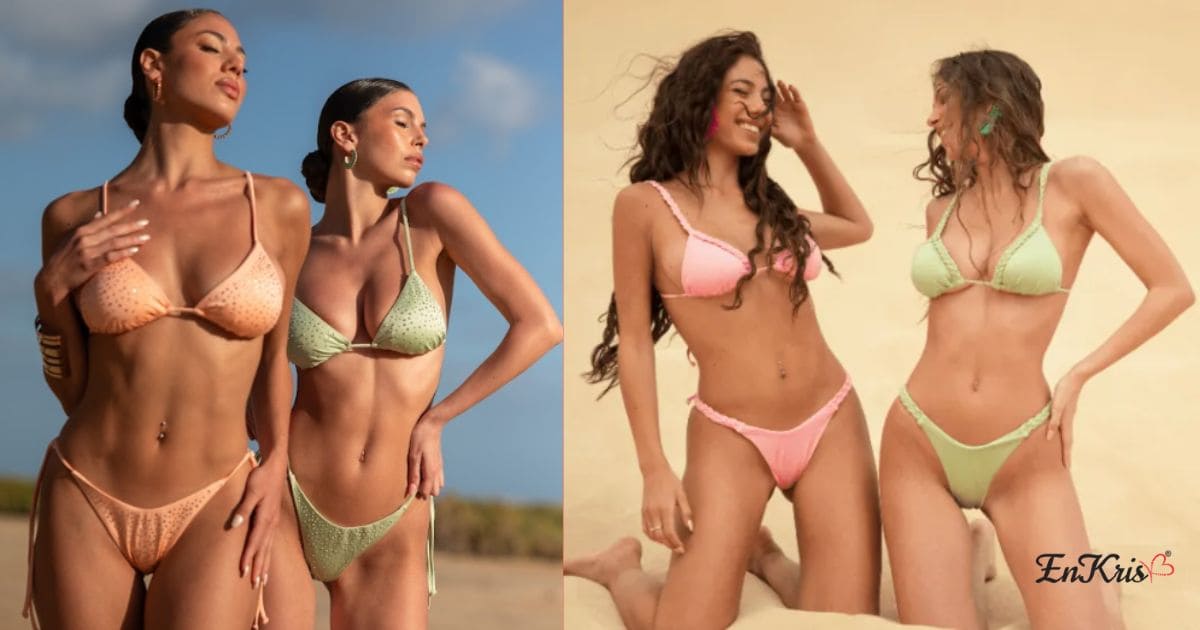
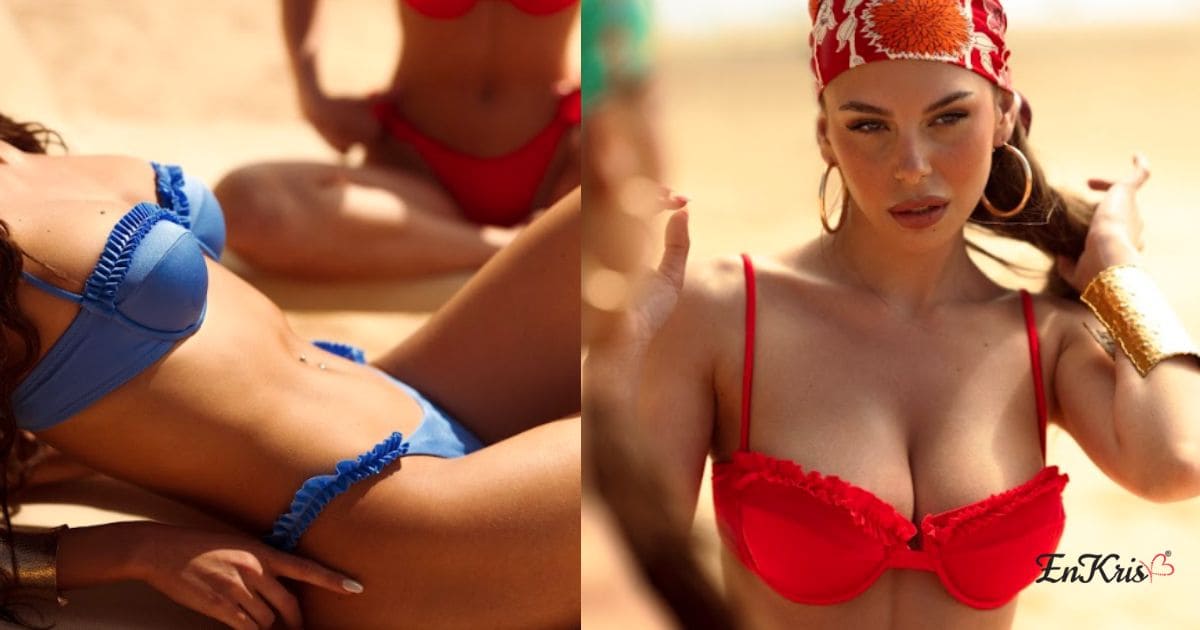
Choosing the right swimwear materials is one of the most important aspects when buying a swimming costume intended to be worn often and in different contexts. The material from which different bikini, trikini or one-piece swimming costume models are designed certainly influences how pleasant it is to wear.
Even more decisive is how the swimming costume will behave during use: from the initial fit to the ability to retain its shape after numerous swims in the sea or pool, as well as the degree of wear.
For example, a quality fabric reacts better to agents such as chlorine, salt, UV rays and frequent washing, preventing the swimming costume from becoming deformed or losing elasticity. Understanding these and other aspects therefore allows one to orientate one's purchasing choice towards better performing garments, capable of offering constant comfort and a long-lasting appearance.
Knowing the differences between the various fabrics used in beachwear also allows one to evaluate a swimming costume more consciously, going beyond the design. Elasticity, breathability, ability to adapt to the body and attention to sustainability become key elements in choosing a garment that will accompany you for several seasons and years, without compromising on quality.
Why choosing quality swimwear fabrics makes all the difference
The fabrics from which swimwear is made play a central role in the perception of the garment once worn.
In particular, a low-quality material may look good aesthetically when first worn, but tends to deteriorate quickly, showing signs of wear such as loss of elasticity, streaking and discolouration.
A quality fabric, on the other hand, provides a more stable and uniform fit, adapting to the body without creating creases or tension. This results in greater comfort during use, especially during days spent entirely at the beach or pool.
The choice of a good material therefore also affects the overall durability of the swimming costume. A garment made from suitable fabrics maintains its structure over time, reducing the need for frequent replacements and offering a better ratio between quality and use.
Swimming costume Fabrics Made in Italy
Among the most popular materials for the production of swimwear, Made in Italy Lycra is appreciated for its technical characteristics and reliability over time. This technical fabric, composed of 80% polyester and 20% elastane, is synonymous with elasticity, adaptability and resistance.
The skilful combination of these two types of fabric is, in fact, specially designed to guarantee controlled elasticity and excellent resistance to external agents.
The structure of the final yarn allows the fabric to follow the lines of the body without yielding, maintaining its shape even after numerous uses. This aspect is particularly important for those who use the swimming costume often, alternating between beach, pool and spa.
The quality of Made in Italy fabrics is also reflected in the colour rendering, with brighter and more stable colours that are less prone to fading, helping to maintain the garment's original appearance over time.
Tailor-made swimwear fabric: the elegance of the handmade
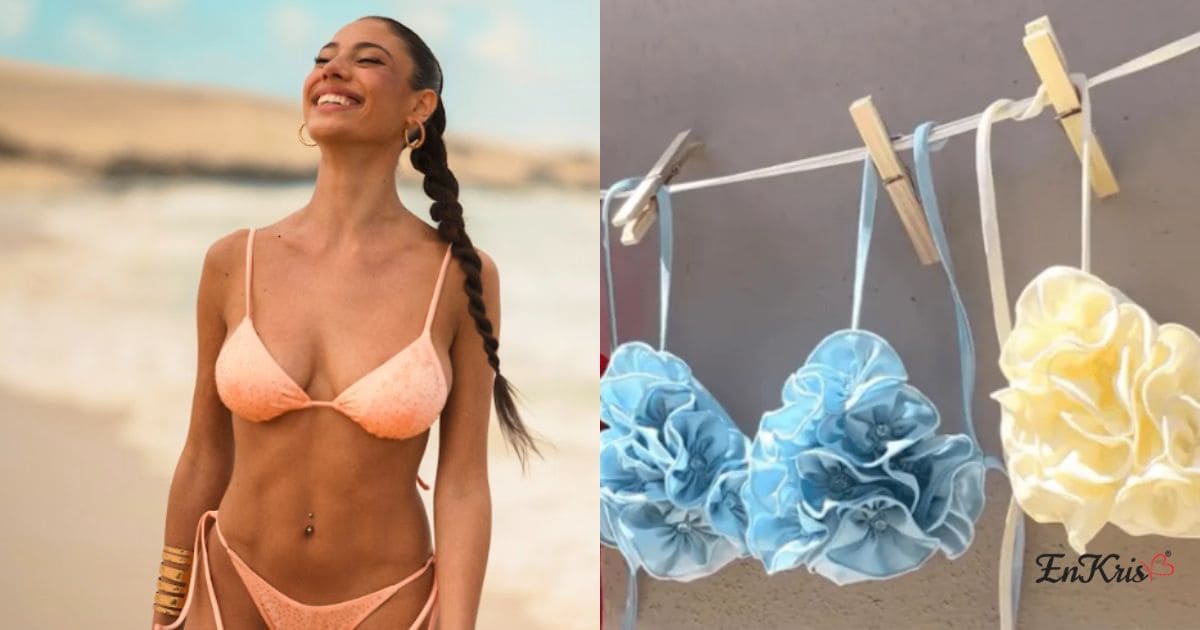
Alongside technical fabrics for swimwear, some Enkris collections also incorporate handcrafted fabrics, as in the case of crocheted bikinis and macramé lace bikinis.
This type of fabric requires skilful tailoring, resulting in garments with a unique character.
In addition to the choice of quality materials, manual workmanship further enhances the yarn through careful construction, where every detail is the result of a creative, tailoring process. Factors such as the weave of the fabric, the density of the stitch and the final finish directly affect the fit and aesthetics of the costume.
In these cases, the value of the fabric is both functional and expressive, and this is how the swimming costume becomes a distinctive garment, recognisable for its style and attention to detail.
Swimming costume fabrics: comfort and bi-elasticity
One of the most important aspects to evaluate in swimwear fabrics is bi-elasticity, i.e. the ability of the material to stretch in several directions.
This characteristic allows the swimming costume to adapt to the natural movements of the body, offering a shaping, enveloping and comfortable fit, without being constricting.
- freedom of movement;
- optimal support;
- a feeling of softness against the skin.
How to preserve the EnKris swimwear fabric
Discover how the combine the best Made in Italy swimwear fabrics with tangible quality that you can feel on your skin and see in the details.